
The Top Interior Design Trends Defining Modern Homes
An analytical overview of the most influential interior design trends shaping contemporary homes, including colour palettes, materials, and furniture forms.
The residential interior landscape in 2026 is defined by a deliberate rejection of excess. Homeowners are moving away from maximalist styling towards spaces that feel intentional — where every object earns its place and every surface has a considered texture. This shift is not austerity for its own sake; it is a response to how people now want to live: calmer, more rooted, more present.
Colour direction this year leans into warm neutrals anchored by earthy undertones. Off-white plasters, warm beige limewash, muted terracotta, and deep sage are displacing the cool grey-white combinations that dominated the previous decade. These tones work because they age well — they absorb light differently across the day and create a sense of depth that flat white walls never could.
Material honesty is the defining technical shift. Exposed concrete, raw oak, unpolished travertine, and hand-thrown ceramics are being specified not as cost-cutting measures but as design statements. The grain, the imperfection, and the wear-over-time of natural materials is the point. Clients are increasingly asking for spaces that will look better in ten years than on day one.
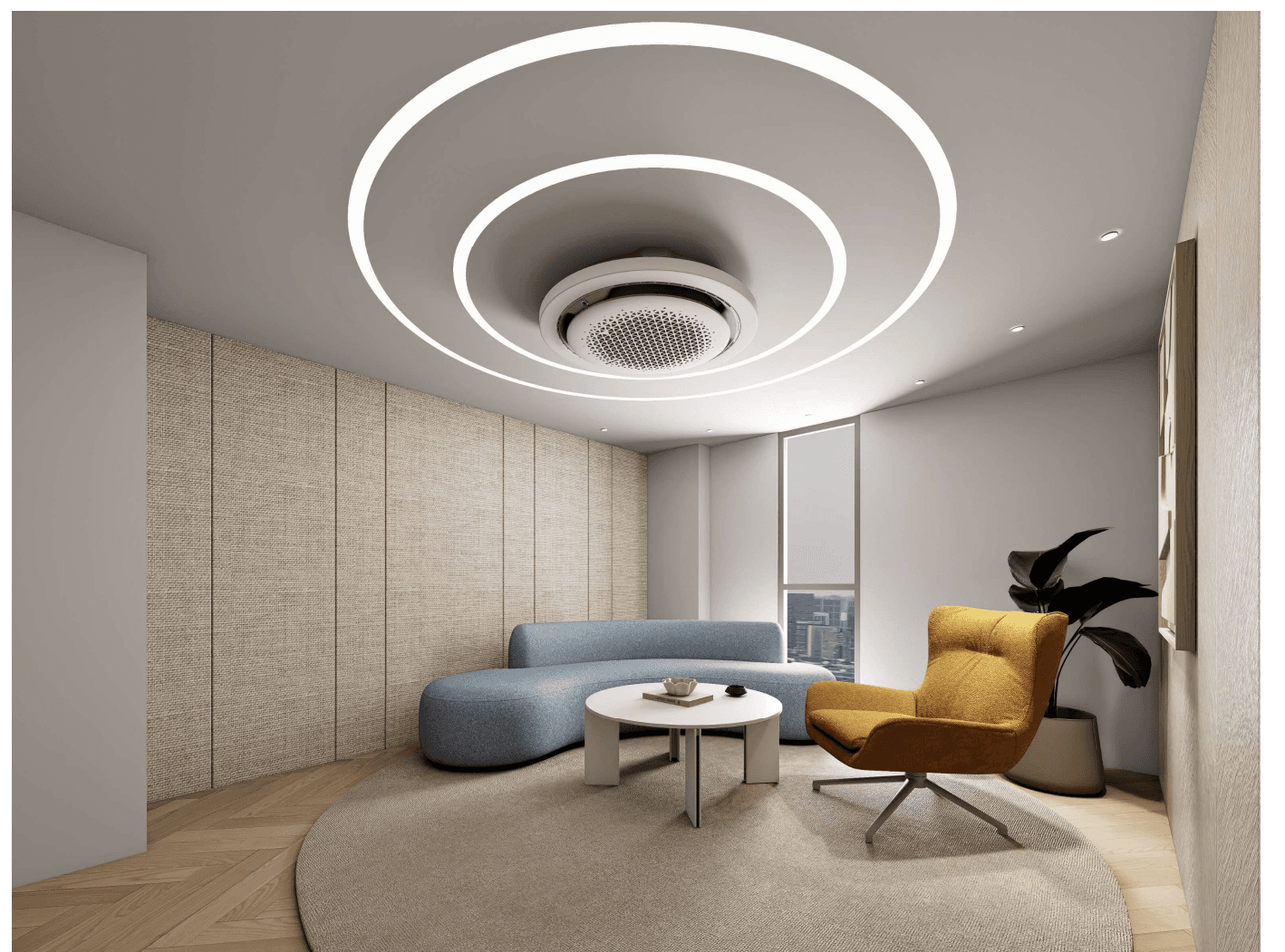
Furniture forms are becoming quieter. The curved sofa, the low-profile bed frame, the rounded coffee table — these are not passing trends but a structural shift in how furniture relates to the room. The aim is to reduce visual noise and allow the space itself to be the primary experience. Lighting, meanwhile, is doing more work: layered sources, warm colour temperatures (2700K–3000K), and concealed fixtures are replacing the single overhead pendant as the default solution.